In today’s highly homogeneous packaging market, plain flat printing can no longer capture consumers’ attention. To help products stand out instantly on retail shelves, boost brand premium value and deepen brand impression, combining tactile finishing processes with visual special effects has become a core upgrade solution for modern packaging design.
This article focuses on four mainstream post-press finishing processes widely used in the packaging industry: embossing, debossing, foil stamping and UV coating. They upgrade packaging quality from three dimensions: 3D tactile texture, metallic luster and mirror brightness. Most brand owners and designers often feel confused about their applicable scenarios, cost differences and matching solutions. We will comprehensively elaborate core definitions, standardized production procedures, pros and cons, and targeted selection tips to help you create high-end differentiated packaging with controllable costs.
- Tactile 3D Processes: Embossing VS Debossing
Both embossing and debossing belong to indentation finishing technologies. They reshape the paper surface structure via high temperature, high pressure and custom metal dies without using any ink, delivering exclusive tactile experience. These two ink-free processes are widely adopted for luxury gift boxes and high-end branded packaging.
1.1 What is Embossing
Also known as relief embossing, embossing is a positive 3D finishing process. With matched male and female dies under constant heat and pressure, logos, brand texts and custom patterns are raised upward above the flat packaging surface on paperboard, rigid boxes and other substrates.
It delivers stunning raised relief effects with clear outlines and outstanding tactile recognition. Embossing is perfectly suitable for packaging designs that need to highlight brand logos and create strong visual impacts.
1.2 What is Debossing
As the opposite process of embossing, debossing is a reverse indentation technology. Heated metal dies are pressed firmly onto packaging surfaces to create neat sunken imprints for patterns and texts, keeping the overall packaging surface flat without uneven bulges.
Featuring a low-profile and premium texture, debossing fits minimalist, light luxury and business-style packaging perfectly. It balances exquisite appearance and practical stacking & shipping performance without protruding parts affecting packaging storage and transportation.
1.3 Core Comparison Between Embossing and Debossing

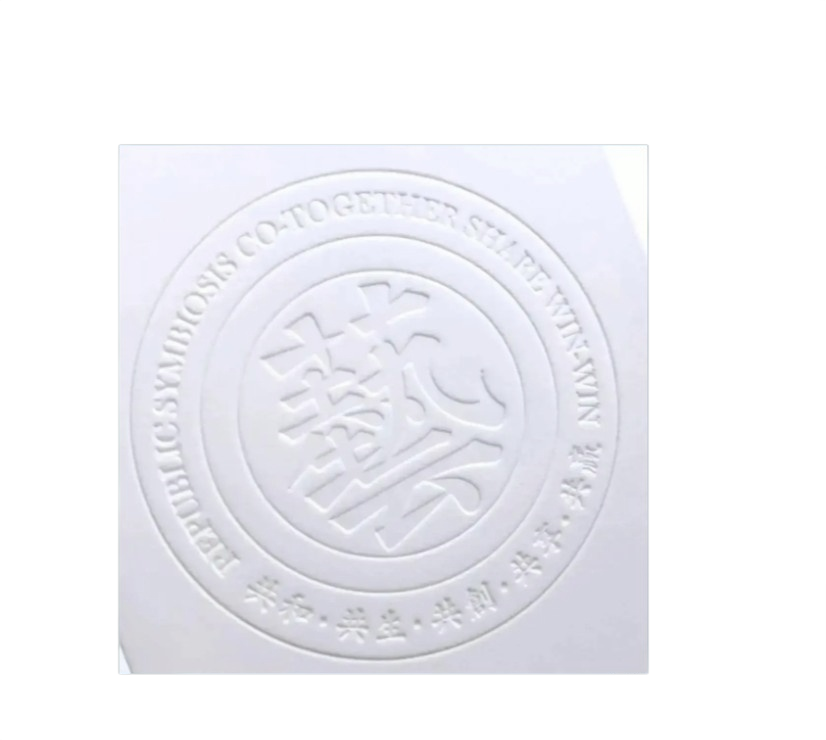
Debossing
- Embossing: Raised outward patterns with striking 3D effects and excellent shelf attraction, ideal for brand logos and main visual graphics. Drawbacks: raised parts are vulnerable to collision and abrasion during transportation; large-area embossing on soft paper tends to deform easily.
- Debossing: Sunken inward patterns with flat scratch-resistant surfaces and zero transportation damage, perfect for fine texts and auxiliary decorative textures. Drawbacks: ultra-fine lines may be slightly blurred after pressing, with weaker detail restoration compared with embossing.
Common Advantages: Both processes encourage interactive touching experience and strengthen customers’ brand memory effectively. Ink-free production ensures eco-friendly and odor-free performance, meeting safety requirements for food, beauty, cosmetics and maternal & baby packaging.
2. Two Visual Enhancement Processes: Foil Stamping & UV Coating
If embossing and debossing focus on tactile upgrading, foil stamping and UV coating are dedicated to visual enhancement. Most top-selling high-end packaging adopts matching combinations of tactile indentation processes and foil stamping / UV coating for better presentation effects.
2.1 Foil Stamping
Foil stamping, or hot foil stamping, transfers metallic foil films onto packaging surfaces via heated metal dies under pressure, forming glossy metallic graphic effects. Apart from classic gold and silver foil, diverse options are available including holographic foil, matte foil, colored foil and neon foil to meet customized design demands.
Core Benefits: Unique premium metallic luster with high reflection recognition, especially eye-catching under supermarket and night lighting; strong scratch resistance and color fastness without fading; compatible with embossing to create dual visual and tactile highlights for top-tier packaging.
Limitations: Gradient patterns cannot be achieved via foil stamping, only solid metallic colors are available; stamping for ultra-fine hollow patterns requires higher craftsmanship and leads to slightly increased production costs.

2.2 UV Coating
UV coating applies a layer of transparent glossy varnish on partial or full packaging surfaces and cures instantly via ultraviolet light. It is divided into spot UV coating (highlighting logos and key graphics) and flood UV coating (full-surface gloss covering).
Core Benefits: Creates smooth mirror gloss and sharp contrast with matte printed backgrounds; improves packaging waterproof and scratch resistance while preventing printed ink fading; far more cost-effective than foil stamping for mass production orders.

Limitations: Only provides glossy visual effects without metallic texture, delivering lower luxury sense than foil stamping; large-area full UV coating may cause uncomfortable strong light reflection.
- Die Materials & Types for Embossing & Debossing
The final effect of embossing and debossing depends heavily on die materials and styles. HugPak Packaging provides professional die selection services based on your packaging material, pattern complexity and order quantity:
3.1 Three Common Die Materials
- Magnesium Die: Budget-friendly entry-level option perfect for sample making; cost-efficient but poor durability, not suitable for repeated mass production.
- Copper Die: Standard die for bulk production; balanced cost, hardness and precision, compatible with most conventional packaging orders.
- Brass Die: Premium customized die with maximum hardness and ultra-high precision; capable of restoring delicate fine lines, designed for small-batch high-precision luxury packaging orders.
3.2 Seven Die Types & Three Main Embossing Finishing Styles
We offer seven professional dies: single-level die, multi-level die, bevel-edge die, chisel die, textured die, rounded die and sculpted die. Supported finishing styles include blind embossing/debossing, registered embossing/debossing, and combined embossing + foil stamping. We can satisfy all design styles including minimalist, retro, light luxury and heavy-duty relief packaging.
Standard Production Process of Four Packaging Finishing Processes
Production Process of Embossing & Debossing
- Project Communication: Our designers recommend optimal processes and die types according to packaging materials, box structures and design manuscripts.
- Die Making: CNC engraving of matched male and female dies based on vector design files.
- Machine Debugging: Adjust machine pressure and temperature according to paper thickness to avoid paper cracking and deformation.
- Mass Indentation Production: Automatic embossing and debossing processing with manual inspection for uniform 3D effects.
- Post-press Integration: Connect with follow-up procedures including foil stamping, die-cutting and box gluing to finish final packaging production.
Production Process of Foil Stamping
- File Confirmation: Verify stamping position, size and foil color with clients.
- Hot Die Fabrication: Engrave customized metal hot stamping dies.
- Precise Registration: Align stamping position with printed layouts to avoid offset errors.
- Heat Transfer: Transfer metallic foil onto packaging surfaces under high heat and pressure, followed by cooling and shaping.
Production Process of UV Coating
- Area Positioning: Confirm partial areas requiring spot UV coating.
- UV Varnish Coating: Apply transparent UV glossy varnish on designated packaging areas.
- UV Curing: Instant drying and curing via ultraviolet lamp, supporting high-speed continuous production without extra air-drying time.
Applicable Scenarios of Four Packaging Processes
- Applicable Scenarios for Embossing
Beauty cosmetic gift boxes, luxury product packaging, wine gift boxes, high-end electronic product boxes, business cards, certificates and brand book covers. Mainly used to highlight brand logos and enhance memorable 3D visual effects. - Applicable Scenarios for Debossing
Minimalist white cardboard boxes, business document folders, pharmaceutical packaging boxes, garment hang tags and corrugated outer packaging boxes. Ideal for packaging requiring flat surfaces, convenient stacking and transportation with understated premium texture. - Applicable Scenarios for Foil Stamping
Festival gift boxes, wedding packaging, new year gift boxes, high-end skincare packaging and gift paper bags. Suitable for designs needing metallic highlights to upgrade overall luxury level. - Applicable Scenarios for UV Coating
Food packaging boxes, daily commodity cartons, product manuals and flyers. The best cost-effective choice to brighten packaging surfaces and improve wear resistance with controlled production budgets for mass commodity packaging.
Comparison of Pros, Cons and Production Costs
| Finishing Process | Core Advantages | Disadvantages | Production Cost |
| Embossing | Strongest 3D effect, excellent pattern detail restoration | Raised parts prone to collision damage; soft paper easy to deform | Medium |
| Debossing | Flat packaging surface, durable for long-distance transportation, no surface abrasion | Minor loss of details for ultra-fine line patterns | Medium |
| Foil Stamping | Premium metallic luster, top shelf attraction | Unable to make gradient patterns, relatively high unit cost | Medium-high |
| UV Coating | Waterproof & scratch-resistant, surface brightening, highest cost performance | No metallic texture, insufficient high-end luxury sense | Lowest |
How to Select Suitable Embossing & Debossing Processes for Your Packaging?
Blind selection of packaging processes often leads to overbudget cost, mismatched design effects and defective finished products. HugPak Packaging summarizes three practical selection principles for your reference:
- For high brand exposure & outstanding shelf performance: Embossing + Foil Stamping Combination
Dual advantages of 3D tactile texture and metallic luster maximize logo recognition, perfectly matching high-priced products including premium cosmetics, wine and holiday gifts. - For convenient transportation & minimalist style: Single Debossing + Optional Spot UV
Flat packaging surface without protruding parts avoids extrusion damage during stacking and delivery, ideal for large-volume circulation packaging and e-commerce shipping cartons. - For limited budget & basic surface brightening: Spot UV Coating Only
Improve packaging grade with low extra cost, suitable for mass-produced food and daily necessities to control overall packaging expenditure.
Material Matching Tips: Rigid cardboard, gift boxes and corrugated boxes are compatible with all indentation processes. For thin soft paper, debossing plus spot UV is recommended; avoid large-area embossing to prevent paper cracking and production waste.
Popular Process Matching Solutions for Packaging Design
- Minimalist Light Luxury Style: Debossing + Spot UV (Low-cost premium texture)
- High-end Luxury Style: Embossing + Foil Stamping (Top choice for gift boxes with maximum brand premium)
- Mass Production Cost-effective Style: Monochrome Printing + Spot UV (Best budget solution)
- Business Minimalist Style: Blind Debossing (Ink-free & foil-free, pure minimalist advanced texture)
Conclusion
More complicated packaging processes do not equal better packaging effects. Reasonable process matching balances aesthetic performance, transportation durability and production cost perfectly. Embossing and debossing create unique tactile differentiation; foil stamping delivers exclusive metallic visual highlights; UV coating provides durable surface protection with high cost performance. Independent use or scientific combination of these four processes can help your packaging get rid of homogeneous competition and greatly improve product shelf competitiveness and brand added value.
HugPak Packaging provides one-stop services including sample making and mass production for embossing, debossing, foil stamping and UV coating. We offer free customized process matching solutions based on your box type, design draft and budget, solving all post-press finishing problems for your packaging projects.
Frequently Asked Questions (FAQ)
- What are the applicable scenarios for embossing and debossing?
Embossing fits high-end gift boxes, electronic packaging, business cards and certificates that require prominent logos and strong 3D effects. Debossing is suitable for minimalist paper boxes, hang tags and corrugated outer packaging needing flat surfaces for stacking and shipping. Both processes can be matched with foil stamping or UV coating to further upgrade packaging texture. - What is the complete production process of embossing and debossing in packaging industry?
The whole workflow includes 5 steps: professional design communication → customized male and female die engraving → machine pressure and temperature debugging → automatic high-pressure indentation production → finished product inspection and follow-up post-press processing. The whole process shapes 3D textures by changing paper structure via heat and pressure without ink printing. - How to choose suitable embossing or debossing processes for packaging?
Choose embossing for high-end gift products pursuing outstanding visual effects; choose debossing for bulk shipping packaging focusing on transportation durability. Avoid large-area embossing on thin soft paper. Add foil stamping for higher luxury with sufficient budget, or match spot UV for surface brightening with limited budget. Blind debossing is the best option for ultra-minimalist packaging designs. - What is the difference between embossing and debossing?
Embossing creates raised patterns with stronger 3D visual effects; debossing forms sunken patterns keeping flat packaging surfaces. Embossing focuses on visual attraction, while debossing prioritizes practical transportation performance. - What are the disadvantages of embossing?
Embossing causes partial loss of ultra-fine lines; deep embossing on soft paper leads to paper cracking and discoloration. Large-area embossing without internal support is easy to collapse, and raised patterns are vulnerable to abrasion during logistics transportation. - Can embossing and debossing be combined with foil stamping and UV coating?
Yes. Embossing matched with foil stamping is the most popular composite packaging process combining 3D relief texture and metallic luster. Debossing plus spot UV is also a mainstream matching solution for minimalist packaging. All four processes enjoy excellent compatibility for diversified customized packaging effects.
Glossary of Professional Terms
- Embossing: Relief Embossing (Raised Pattern)
- Debossing: Recessed Debossing (Sunken Pattern)
- Foil Stamping: Hot Foil Stamping
- UV Coating: Ultraviolet Varnish Coating
- Blind Emboss/Deboss: Ink-free Embossing & Debossing
- Rigid Setup Boxes: Rigid Gift Boxes
- Corrugated Boxes: Corrugated Packaging Cartons

